

How to adjust the grinder for different workpiece lengths in a factory?
Apr 09, 2026
In a factory setting, the precise adjustment of a grinder for different workpiece lengths is a critical task that directly impacts the quality and efficiency of production. As a supplier of CNC Centerless Grinder Factory, I understand the challenges and nuances involved in this process. This blog aims to provide a comprehensive guide on how to adjust the grinder for various workpiece lengths, ensuring optimal performance and product quality.
Understanding the Basics of CNC Centerless Grinding
Before delving into the adjustment process, it's essential to understand the fundamentals of CNC centerless grinding. CNC (Computer Numerical Control) centerless grinding is a machining process used to remove material from a workpiece without the need for a centering device. This process is highly efficient and precise, making it ideal for mass production of cylindrical parts.
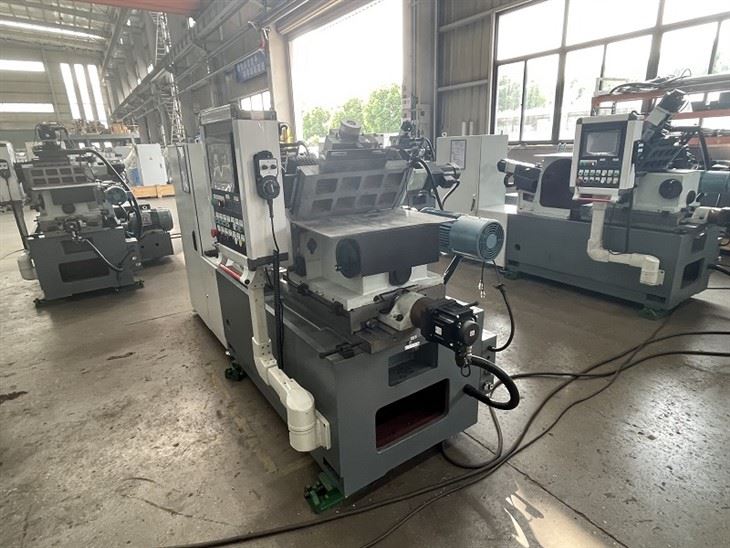
CNC centerless grinding machines come in various configurations, each designed to meet specific production requirements. The CNC Centerless Grinding Machines we supply are equipped with advanced features such as programmable controls, high-precision spindles, and automated feeding systems, ensuring consistent and accurate results.
Factors Affecting Grinder Adjustment for Different Workpiece Lengths
Several factors need to be considered when adjusting a grinder for different workpiece lengths. These factors include the type of grinder, the material of the workpiece, the required tolerance, and the desired surface finish.
- Type of Grinder: Different types of grinders have different adjustment mechanisms. For example, a through-feed centerless grinder is designed for continuous grinding of long workpieces, while a plunge-feed centerless grinder is more suitable for shorter workpieces. Understanding the capabilities and limitations of your grinder is crucial for making the right adjustments.
- Workpiece Material: The material of the workpiece also affects the grinder adjustment. Harder materials require more aggressive grinding parameters, such as higher wheel speeds and deeper cuts, while softer materials may require gentler grinding to avoid damage.
- Required Tolerance: The required tolerance for the workpiece determines the precision of the grinder adjustment. Tighter tolerances require more accurate positioning and control of the grinding wheel and workpiece.
- Desired Surface Finish: The desired surface finish of the workpiece also influences the grinder adjustment. A smoother surface finish may require lower wheel speeds and finer grinding wheels, while a rougher finish may allow for higher speeds and coarser wheels.
Step-by-Step Guide to Adjusting the Grinder for Different Workpiece Lengths
Now that we have a basic understanding of the factors involved, let's dive into the step-by-step process of adjusting the grinder for different workpiece lengths.
Step 1: Prepare the Grinder
Before making any adjustments, it's essential to prepare the grinder for the new workpiece length. This includes cleaning the grinder, checking the coolant levels, and ensuring all safety guards are in place.
Step 2: Measure the Workpiece
Measure the length of the workpiece accurately using a caliper or a measuring gauge. This measurement will be used to set the appropriate grinding parameters.
Step 3: Adjust the Guide Wheel
The guide wheel in a centerless grinder is responsible for controlling the movement and rotation of the workpiece. To adjust the guide wheel for different workpiece lengths, follow these steps:
- If you're using a through-feed centerless grinder, adjust the guide wheel angle to ensure the workpiece feeds smoothly through the grinding zone. The angle should be set based on the length and diameter of the workpiece.
- For plunge-feed centerless grinders, adjust the guide wheel position to accommodate the length of the workpiece. Make sure the guide wheel is parallel to the grinding wheel and that there is sufficient clearance for the workpiece to pass through.
Step 4: Adjust the Grinding Wheel
The grinding wheel is the primary tool for removing material from the workpiece. To adjust the grinding wheel for different workpiece lengths, consider the following:
- Wheel Speed: Adjust the grinding wheel speed based on the material of the workpiece and the desired surface finish. Higher speeds are generally suitable for harder materials, while lower speeds are recommended for softer materials.
- Wheel Depth of Cut: The depth of cut determines the amount of material removed in each pass. For longer workpieces, it may be necessary to make multiple passes with a smaller depth of cut to avoid excessive heat generation and ensure a uniform surface finish.
- Wheel Dresser: Regularly dress the grinding wheel to maintain its sharpness and shape. The dressing process removes dull grains and exposes new, sharp grains, improving the grinding efficiency and accuracy.
Step 5: Set the Feeding System
The feeding system is responsible for moving the workpiece through the grinding zone. To set the feeding system for different workpiece lengths, follow these guidelines:

- Feed Rate: Adjust the feed rate based on the length and diameter of the workpiece, as well as the grinding parameters. A higher feed rate can increase productivity but may also result in a rougher surface finish.
- Feeding Direction: Ensure the feeding direction is correct for the type of grinder and the workpiece length. For through-feed centerless grinders, the workpiece should be fed in a continuous motion through the grinding zone. For plunge-feed centerless grinders, the workpiece is fed perpendicular to the grinding wheel.
Step 6: Conduct a Test Run
Once all the adjustments have been made, conduct a test run with a sample workpiece to verify the settings. Check the dimensions and surface finish of the workpiece using a measuring instrument. If necessary, make further adjustments to the grinder settings until the desired results are achieved.
Tips for Optimal Grinder Adjustment
- Regular Maintenance: Perform regular maintenance on the grinder to ensure its optimal performance. This includes cleaning, lubricating, and inspecting the machine components.
- Use of Fixtures and Jigs: In some cases, using fixtures and jigs can help to secure the workpiece and improve the accuracy of the grinding process.
- Operator Training: Provide comprehensive training to the operators to ensure they understand the principles of grinder adjustment and are able to perform the tasks safely and effectively.
- Quality Control: Implement a quality control system to monitor the grinding process and ensure that the workpieces meet the required specifications.
Conclusion
Adjusting the grinder for different workpiece lengths is a complex but essential task in a factory setting. By understanding the factors affecting grinder adjustment, following the step-by-step guide, and implementing the tips for optimal performance, you can ensure that your CNC centerless grinder operates at its best, producing high-quality workpieces with consistent precision.
If you're interested in learning more about our CNC Centerless Grinding Machine or High Precision CNC Centerless Grinding Machine and would like to discuss your specific requirements, please don't hesitate to contact our sales team. We're committed to providing the best solutions for your grinding needs and look forward to a successful partnership.
References
- "Industrial Grinding Technology: Theory and Applications" by Peter Öhlén
- "CNC Machining Handbook" by Paul Horn