

How to adjust the tension of the belt on a horizontal surface grinder?
Jan 13, 2026
As a supplier of horizontal surface grinders, I understand the importance of proper maintenance and adjustment to ensure optimal performance. One critical aspect of maintaining a horizontal surface grinder is adjusting the belt tension. The right belt tension is crucial as it affects the efficiency and precision of the grinding process. In this blog post, I'll share in - depth guidance on how to adjust the belt tension on a horizontal surface grinder.
Why is Proper Belt Tension Important?
Proper belt tension plays a vital role in the operation of a horizontal surface grinder. Firstly, if the belt is too loose, it can cause slipping. This slipping not only reduces the grinding efficiency but also leads to uneven grinding results. The grinder may not be able to remove material at the desired rate, and the surface finish may be compromised.
On the other hand, excessive tension can cause premature wear of the belt and put additional stress on the grinder's components, such as the motor and pulleys. This can lead to breakdowns and costly repairs. Therefore, maintaining the correct belt tension is essential for the longevity of the grinder and achieving high - quality grinding results.
Tools Required for Belt Tension Adjustment
To adjust the belt tension on a horizontal surface grinder, you will need a few basic tools:
- Wrench set: This is used to loosen and tighten the bolts that hold the pulley or motor in place. Different grinders may require different sizes of wrenches, so it's a good idea to have a variety of sizes on hand.
- Belt tension gauge: This tool measures the tension of the belt accurately. It helps you determine whether the belt is at the optimum tension level.
- Measuring tape: You may need to measure the distance between pulleys or other components to ensure proper alignment during the adjustment process.
Steps to Adjust the Belt Tension
Step 1: Safety First
Before starting any adjustment work on the grinder, make sure to turn off the power supply and unplug the machine. This prevents any accidental start - up that could cause injury. Also, wear appropriate safety gear, such as safety glasses and gloves.
Step 2: Locate the Belt and Pulleys
Open the grinder's access panel to expose the belt and pulleys. On a horizontal surface grinder, the belt usually connects the motor pulley to the grinding wheel pulley. Identify the tensioning mechanism, which is typically a set of bolts or an adjustable bracket that allows you to move the motor or the pulley.
Step 3: Check the Belt Condition
Inspect the belt for any signs of wear, such as cracks, fraying, or glazing. If the belt is in poor condition, it's recommended to replace it before adjusting the tension. A worn - out belt may not hold the correct tension even after adjustment and can lead to further problems.
Step 4: Measure the Current Tension
Use the belt tension gauge to measure the current tension of the belt. Place the gauge on the belt at the mid - span between the two pulleys and follow the manufacturer's instructions for taking a reading. Compare this reading with the recommended tension value specified in the grinder's manual.
Step 5: Loosen the Tensioning Bolts
Using the appropriate wrench, loosen the tensioning bolts that hold the motor or the pulley in place. This allows the motor or pulley to move, enabling you to adjust the belt tension. Only loosen the bolts enough to allow movement; do not remove them completely.
Step 6: Adjust the Belt Tension
If the belt is too loose, move the motor or the pulley away from the other pulley to increase the tension. If the belt is too tight, move the motor or pulley closer. Make small adjustments at a time and re - measure the tension using the belt tension gauge after each adjustment.
It's important to note that while adjusting, ensure the belt remains properly aligned on the pulleys. Misalignment can cause uneven wear of the belt and reduced performance of the grinder. You can use a straightedge or a measuring tape to check the alignment of the pulleys.
Step 7: Retighten the Tensioning Bolts
Once you have achieved the correct belt tension as indicated by the belt tension gauge, carefully retighten the tensioning bolts. Make sure the motor or pulley is firmly held in place, but do not overtighten the bolts, as this can damage the components.
Step 8: Test the Grinder
After adjusting the belt tension, plug in the grinder and turn it on. Let the grinder run for a few minutes without any load to ensure the belt is running smoothly and there are no unusual noises or vibrations. If everything seems normal, you can proceed to test the grinder with a sample workpiece.
Common Mistakes to Avoid
- Over - adjusting: Making large adjustments at once can result in over - or under - tensioning the belt. It's better to make small, incremental adjustments and check the tension regularly.
- Ignoring alignment: As mentioned earlier, proper alignment of the belt and pulleys is crucial. Failing to check and correct alignment can lead to premature belt wear and poor grinding performance.
- Not referring to the manual: Each horizontal surface grinder has specific requirements for belt tension. Always refer to the grinder's manual for the recommended tension values and adjustment procedures.
Related Products
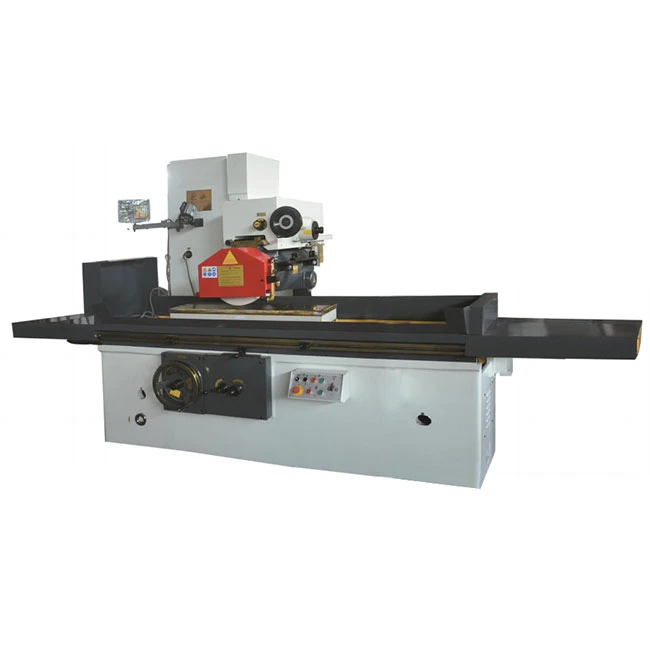
If you're interested in different types of horizontal surface grinders, we offer a wide range of options. Our Horizontal Spindle Rectangular Table Surface Grinder is designed for precision grinding on rectangular workpieces. For a more general - purpose option, our Horizontal Spindle Surface Grinding Machine provides excellent performance. And if you need a grinder with a horizontal spindle for various applications, our Surface Grinder with Horizontal Spindle is a great choice.
Conclusion
Adjusting the belt tension on a horizontal surface grinder is a critical maintenance task that should not be overlooked. By following the steps outlined in this blog post and avoiding common mistakes, you can ensure the proper functioning of your grinder, achieve high - quality grinding results, and extend the lifespan of the machine.
If you're in the market for a new horizontal surface grinder or need further assistance with maintenance and adjustment, we're here to help. Contact us to start a procurement discussion, and our team of experts will be happy to provide you with all the information you need.

References
- Manufacturer's manual of horizontal surface grinders
- Industry best practices for belt tension adjustment in grinding machines