

What are the installation requirements for a horizontal surface grinder?
Nov 17, 2025
Hey there! As a supplier of horizontal surface grinders, I've had my fair share of customers asking about the installation requirements. So, I thought I'd put together this blog post to shed some light on the topic.
Location, Location, Location
First things first, you gotta pick the right spot for your horizontal surface grinder. It needs to be a stable and level surface. You don't want it wobbling around while it's doing its thing. A concrete floor is usually a great choice because it offers good stability. Make sure the area is free from any vibrations caused by other machinery nearby. Vibrations can mess with the precision of the grinder and affect the quality of the work.
Also, think about the space around the grinder. You need enough room to move around it comfortably. You'll be loading and unloading workpieces, performing maintenance, and maybe even troubleshooting from time to time. So, leave at least a few feet of clearance on all sides.
Power Supply
The power supply is crucial. Different horizontal surface grinders have different power requirements. You'll need to check the specifications of the specific model you're getting. For example, our MX - 7150 Surface Grinder with Horizontal Spindle has its own unique power needs.
It's important to have a dedicated electrical circuit for the grinder. This helps prevent overloading and reduces the risk of electrical issues. Make sure the voltage and frequency of the power supply match what the grinder needs. If you're not sure about the electrical setup, it's a good idea to consult an electrician. They can ensure everything is installed safely and correctly.
Ventilation
Grinding generates a lot of dust and debris. If you don't have proper ventilation, it can be a real health hazard for the operators and can also damage the grinder over time. You need to have an effective ventilation system in place.
A local exhaust ventilation system is ideal. It can capture the dust right at the source, near the grinding wheel. This helps keep the air clean in the work area. You can also use air filters to further purify the air. Make sure the ventilation system is powerful enough to handle the amount of dust generated by the grinder. For larger grinders like our MX - 7180 Horizontal Spindle Rectangular Table Surface Grinder, you might need a more robust ventilation setup.
Cooling System
Most horizontal surface grinders have a cooling system to prevent overheating. The cooling system uses coolant to keep the grinding wheel and the workpiece at a proper temperature. You need to make sure the coolant supply is sufficient and the system is working properly.
The coolant tank should be filled with the right type of coolant. Different grinders may require different coolants, so check the manufacturer's recommendations. The coolant needs to be circulated effectively through the system. You'll need to check the coolant level regularly and top it up as needed. Also, make sure the coolant lines are not clogged or leaking.
Leveling and Alignment
Proper leveling and alignment of the grinder are essential for accurate grinding. You'll need to use a spirit level to ensure the grinder is perfectly horizontal. If it's not level, it can cause uneven wear on the grinding wheel and affect the quality of the work.
Alignment is also crucial. The grinding wheel needs to be aligned correctly with the workpiece and the table. This ensures that the grinding is done evenly and precisely. You may need to make some adjustments during the installation process to get the alignment just right.
Installation of Accessories
Many horizontal surface grinders come with accessories like magnetic chucks, coolant nozzles, and guards. You need to install these accessories correctly.
Magnetic chucks are used to hold the workpiece in place during grinding. Make sure the chuck is clean and properly magnetized. Coolant nozzles need to be positioned correctly to direct the coolant to the right spot. Guards are important for safety. They protect the operator from flying debris and should be installed securely.
Training and Safety
Once the grinder is installed, it's important to provide training to the operators. They need to know how to operate the grinder safely and efficiently. This includes understanding the controls, how to load and unload workpieces, and how to perform basic maintenance.
Safety is always a top priority. Make sure the operators wear appropriate personal protective equipment (PPE) like safety glasses, gloves, and ear protection. There should also be safety signs and labels around the grinder to remind everyone of the safety procedures.
Maintenance Setup
Before you start using the grinder, set up a maintenance schedule. Regular maintenance helps keep the grinder in good working condition and extends its lifespan. This includes tasks like cleaning the grinder, checking the belts and bearings, and replacing worn - out parts.
You should also keep a stock of spare parts on hand. This way, if something breaks down, you can replace the part quickly and get the grinder back up and running.
Final Checks
Once everything is installed, do a final check. Run the grinder for a short period without a workpiece to make sure all the components are working properly. Check for any unusual noises, vibrations, or leaks. Make any necessary adjustments before you start using the grinder for actual work.
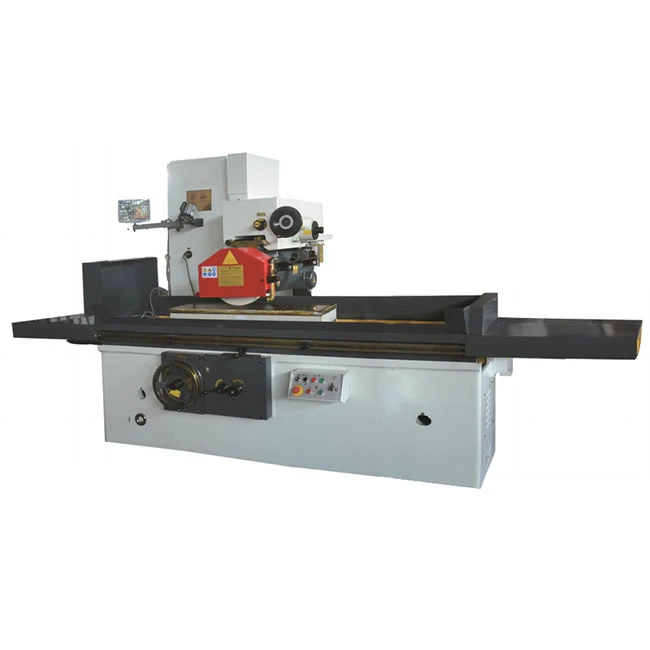

In conclusion, installing a horizontal surface grinder requires careful planning and attention to detail. From choosing the right location to ensuring proper ventilation and alignment, every step is important. If you're in the market for a horizontal surface grinder, we offer a range of models like the MX - 7150 Surface Grinder with Horizontal Spindle, MX - 7140 Horizontal Spindle Surface Grinding Machine, and MX - 7180 Horizontal Spindle Rectangular Table Surface Grinder.
If you have any questions about installation or are interested in purchasing one of our grinders, don't hesitate to reach out. We're here to help you every step of the way, from installation to after - sales support.
References
- Manufacturer's manuals for horizontal surface grinders
- Industry standards for grinder installation and safety
- Electrical codes and regulations